


In 2006, I stood in a scrum of reporters waiting to be let into the media viewing room for the execution of a cult leader responsible for the murder of an entire family.
The scene outside was quietly chaotic. Officials moved us from one position to another, checking equipment, inspecting badges, and issuing instructions that seemed to change every few minutes. Most of us stood still, careful not to draw attention to ourselves. The day before, my producer and cameraman had already had their press badges pulled. No one wanted to be next.
In the weeks leading up to the execution, I had studied every detail I could find about the facility and the room where it would take place. I had poured over photographs of the layout, memorizing the angles of the witness chamber and the placement of the glass. By that point I had been researching the case for years—digging through evidence files, speaking with former members of the cult who were now serving time in other prisons, even visiting one woman in person to ask whether she still believed the man who led them was a prophet.
When we were finally led inside, the room was smaller than I expected.
Fluorescent lights hummed overhead, casting harsh shadows across the equipment. A pane of glass separated the witnesses from the gurney. On the wall hung a clock that, in that moment, seemed impossibly loud.
In a few minutes, a man would be lying behind that glass.
His name was Jeffrey Lundgren.
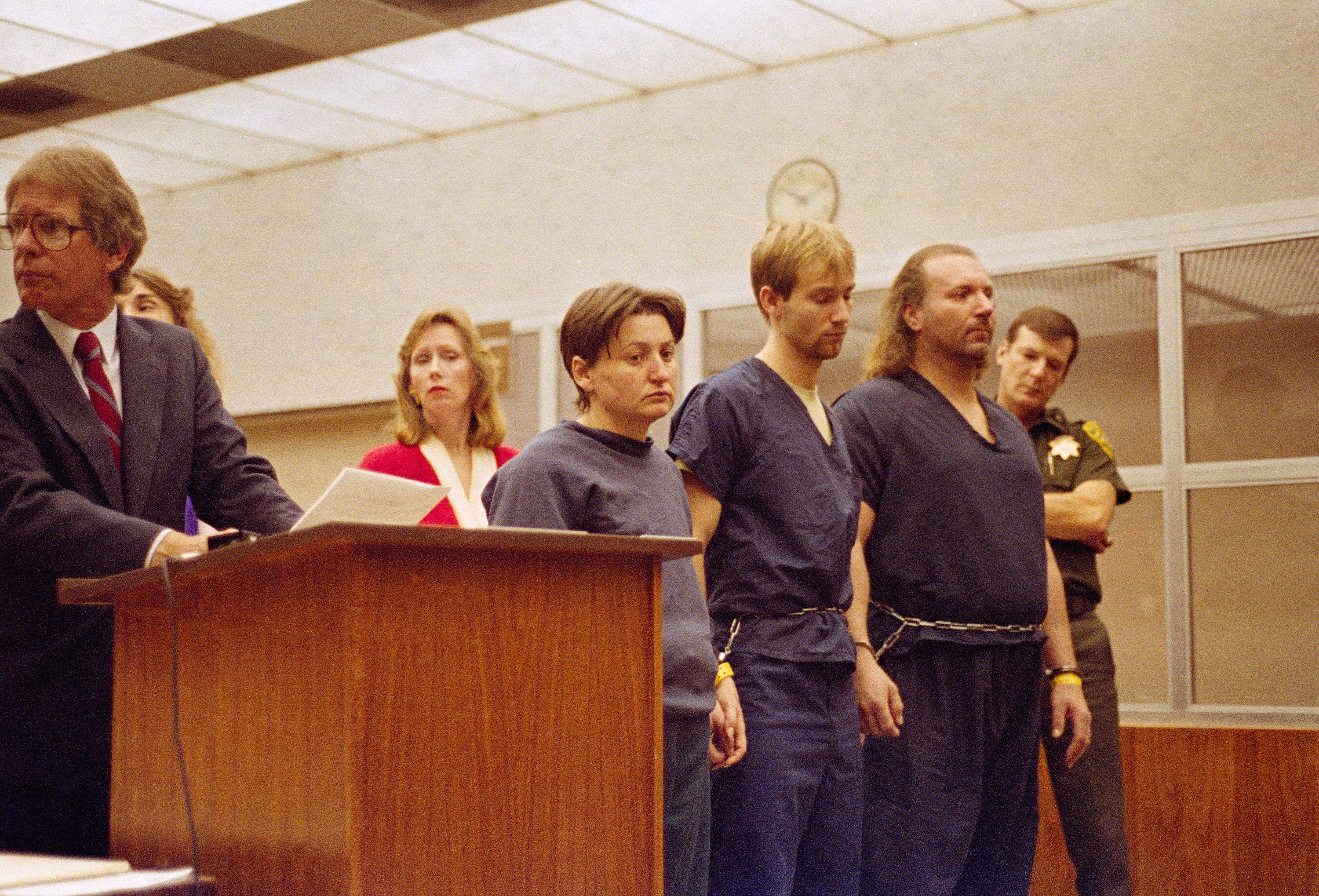
Years earlier, I had spent months researching the belief system that allowed him to convince people to follow him. At the time, I thought I was simply doing the work required for a documentary project. I didn’t realize that those same observations would eventually become the psychological blueprint for the fictional cult in my novel The Last Bloom.
Between 2004 and 2006, I worked on research for a documentary focused on a small cult operating in Ohio. Groups like this rarely resemble the dramatic versions people imagine when they hear the word “cult.” There are no sweeping speeches or theatrical villains. Most of the time, these groups begin quietly. A small circle forms around a shared belief system. Over time that belief system grows more structured, more insulated, and eventually more powerful than the outside world.
What fascinated me most about the group I was studying was the way they interpreted scripture and symbols. The leader had developed an unusual framework for understanding text. Rather than reading scripture for narrative meaning, followers were taught to search for patterns within it—mirrored phrases, repeated structures, linguistic symmetry. The method was loosely inspired by a literary device called chiasmus, but it had evolved into something much more controlling.
Followers were encouraged to believe that truth was hidden beneath the surface of language. If they could identify the right patterns, they believed they would uncover deeper meaning. Over time, the interpretation of those patterns became the real authority. The text mattered less than the explanation provided by the person guiding the search.
Once that shift happens, something subtle but powerful begins to occur. Meaning becomes flexible. Doubt becomes disloyalty. Followers stop reading the text itself and begin searching for confirmation of what they have already been taught to believe.
During those years of research, I filled notebooks with observations about how belief systems like this function. Closed communities often rely heavily on pattern recognition. Language becomes coded. Authority becomes invisible because followers believe they are discovering truth themselves rather than being told what to believe.
At the time, these notes were simply part of my research process.
Years later, when I began writing The Last Bloom, I realized I had already spent years studying the psychology I wanted to portray.
When I started building the fictional cult known as The Garden, I didn’t want something theatrical. The real groups I had studied weren’t dramatic in that way. They were quieter, more psychological. Their power came not from overt control, but from the way they taught followers to interpret the world.
In the world of The Last Bloom, The Garden encourages followers to search for hidden meaning inside patterns and language. Once someone accepts that premise, the belief system begins to sustain itself. Followers reinforce the logic internally. The leader no longer needs to issue constant commands because the interpretation of reality has already shifted.
Looking back, it’s clear that many of those ideas grew directly out of the research I conducted years earlier.
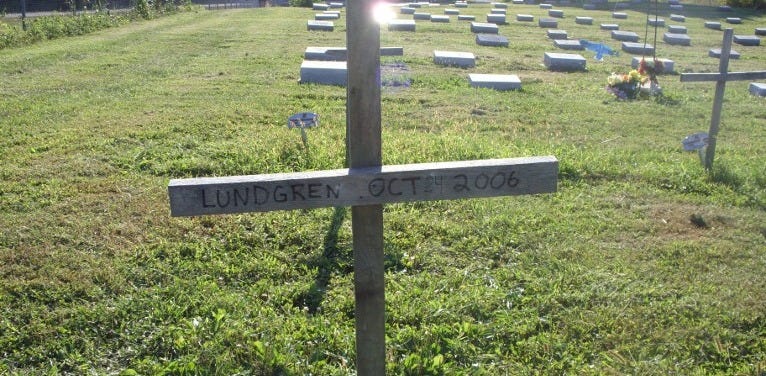
And the moment that crystallized the psychology for me happened in that execution chamber in 2006.
Seeing Jeffrey Lundgren wasn’t cinematic. There was no theatrical villain standing in front of us. No dramatic speech or moment of revelation. Just a human being whose belief system had once convinced others to reorganize their lives around his interpretation of the world.
That realization stayed with me long after I left the facility.
People often ask how someone who spent years working in true crime ends up writing psychological thrillers. The truth is the transition isn’t as dramatic as it sounds. Years spent researching criminal cases, interviewing investigators, speaking with survivors, and observing fringe communities leaves you with something unexpected: a deep library of human behavior.
Fiction simply becomes the place where those observations evolve into story.
The execution in 2006 is only one real-life experience that eventually found its way into The Last Bloom. In the coming weeks, I’ll be sharing more about the real moments that shaped the world of the novel, experiences that include prison interviews with serial killers, following active missing persons investigations, and embedding with fringe communities whose belief systems challenged conventional logic.
Sometimes the line between true crime and fiction is thinner than people realize.
And sometimes the most unsettling parts of a story are the ones that actually happened.