


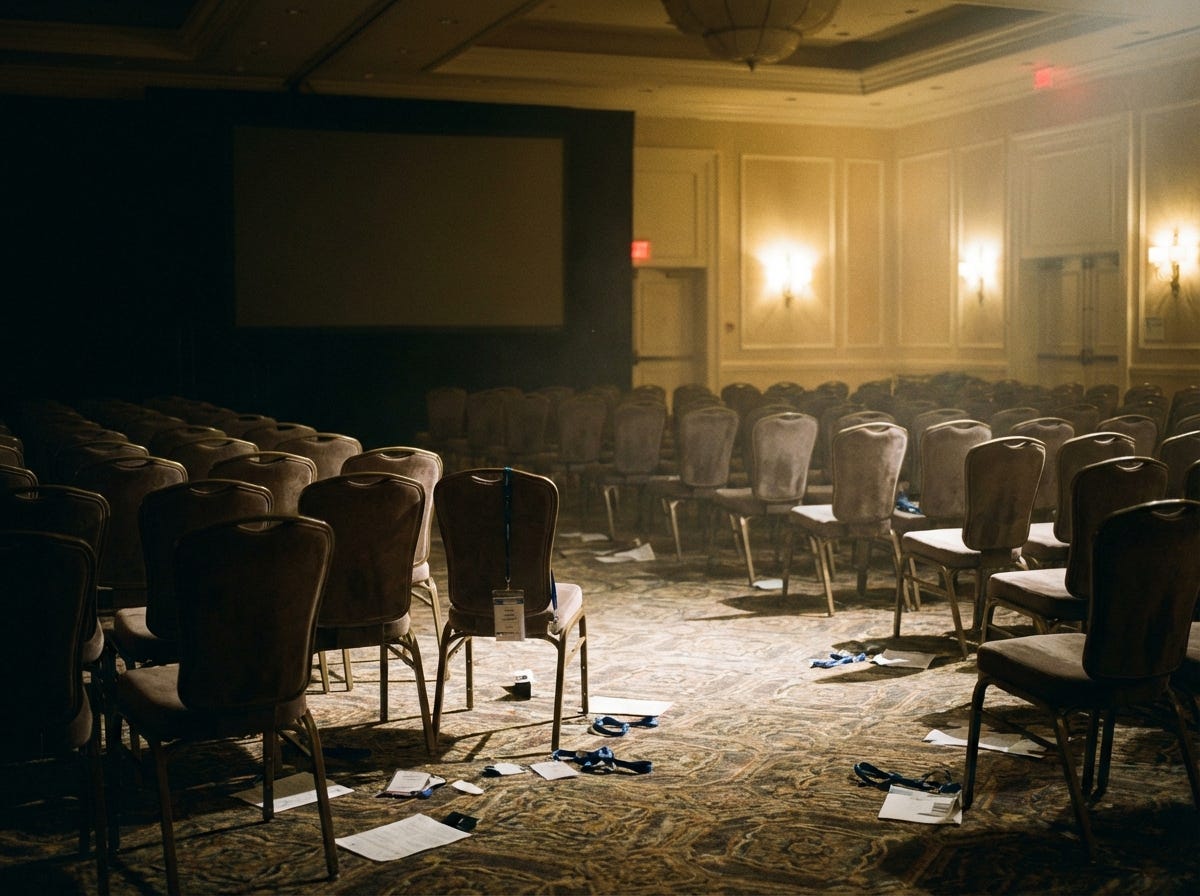
For nearly 15 years, I measured time in hotel ballrooms. Conference rooms with bad air circulation. And tiny hotel hallway corners cluttered with signage and merch.
January wasn’t January. It was Realscreen.
Deals weren’t just made there. Careers were.
You didn’t just attend—you arrived. Badge swinging, coffee in hand, moving between suites and side meetings, chasing that one conversation that could change everything. And sometimes it did.
Announcements of new series were made. Mandates were revealed. Promotions were signaled with new badges and toasts at sponsored parties.
So, when the news came down that Realscreen Summit and NATPE Global are shutting down under Brunico Communications, it didn’t feel like a business decision. It felt like a closing scene.
The Official Reason, and the Real One
The explanation is clean, almost clinical: shrinking production budgets, market consolidation, structural shifts in the business. And it’s true. Content budgets are tighter. Buyers are fewer. Streamers are recalibrating.
But that’s not the full story.
Because these markets didn’t die from one blow. They eroded. Quietly. Over time.
There was a rhythm to Realscreen. Morning panels where you half-listened to while texting buyers. Pitch meetings packed in between 20-minute sprints to tweak your materials before they take it to a greenlight meeting that was happening ON-SITE. Late-night drinks where the real decisions got made and new job offers flowed as companies tried to poach talent from across the country.
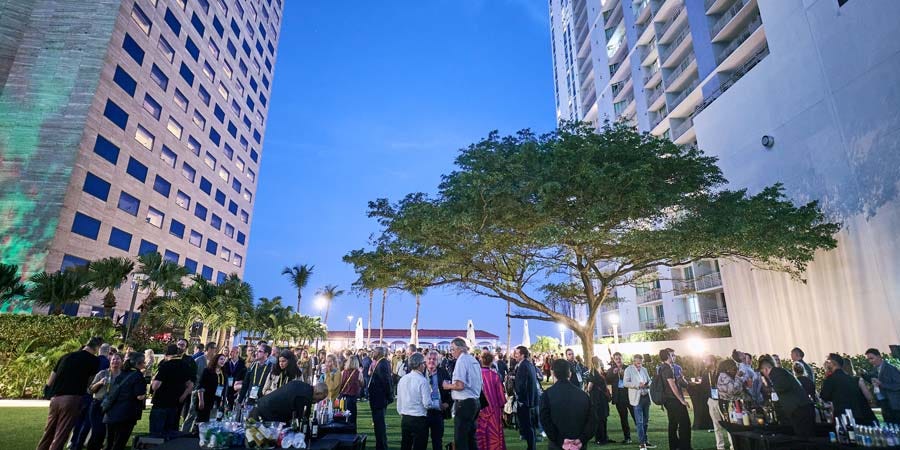
You could walk into a suite with an idea and walk out with a partner. Not a follow up meeting. Not the promise of a greenlight meeting in 3 months. An actual yes.
Because the industry of Realscreen was built on proximity. And then… the shift. The first crack wasn’t the pandemic. It was the platform shift.
Streamers didn’t need hotel rooms. They didn’t need the floor. They didn’t need the middle.
Then came consolidation.
Fewer buyers. Fewer mandates. Bigger bets, fewer swings.
And suddenly, the very thing that made NATPE and Realscreen powerful—the density of opportunity—started thinning out. Until eventually, it wasn’t density anymore. It was nostalgia.
You could feel it before the announcement.
Fewer suites. Shorter meetings. More “we’ll circle back.”
The conversations changed too. There were no series sold in the room. Now, you rarely walked away with a development deal. These meetings shifted. They weren’t about ideas and creative opportunity anymore. They were about survival.
And when an industry stops using one of its biggest open marketplaces to buy, those marketplaces don’t just shrink. They become symbolic.
Let’s be clear: These weren’t just events. NATPE ran for over 60 years and Realscreen shaped the global unscripted business for decades. The people who ran them helped to bring producers and buyers to make shows come to life. They were infrastructure. And infrastructure doesn’t disappear unless the system it supports has already changed.
What replaces this? Not another conference. Not another market.
Because the shift is structural: development is internalized, relationships are fewer, deeper, more closed. Access is no longer democratized by a badge. The industry didn’t just lose events. It lost the room where everyone had a shot.
What It Means for Creators (and Why It Matters)
For a generation of producers, NATPE and Realscreen were entry points. You didn’t need an agent. You needed a meeting. People didn’t need to know you. They were about to meet you. And if you were a solo producer, they were a sea of production companies ready to be your partner (if the ideas were good…).
Now?
Access is gated. And if you’re not already inside, the path in just got narrower. That’s not just an industry shift. That’s a pipeline problem.
At the exact moment the industry needs more voices, more ideas, and more risk, it has eliminated one of the last places where all three could collide organically.
So, what comes next? The future isn’t in a ballroom.
It’s fragmented.
· Digital-first pipelines
· Creator-driven distribution
· Direct-to-audience storytelling
· Smaller, targeted dealmaking
In many ways, it’s more efficient. In almost every way, it’s less human.
My Final Take
There’s a specific feeling I keep coming back to. That last day with suitcases rolling, booths half-packed, and people saying, “Let’s stay in touch.”
You always knew something was ending. You just didn’t think it was this.
The closure of NATPE and Realscreen isn’t just about budgets or consolidation. It’s a signal. The old system—open, chaotic, relationship-driven—is giving way to something tighter, quieter, and harder to break into.
And if you’ve been in those rooms for 20+ years, you don’t just see it. You feel it. Because this isn’t just the end of two conferences.
It’s the end of how the industry used to work.